Overview
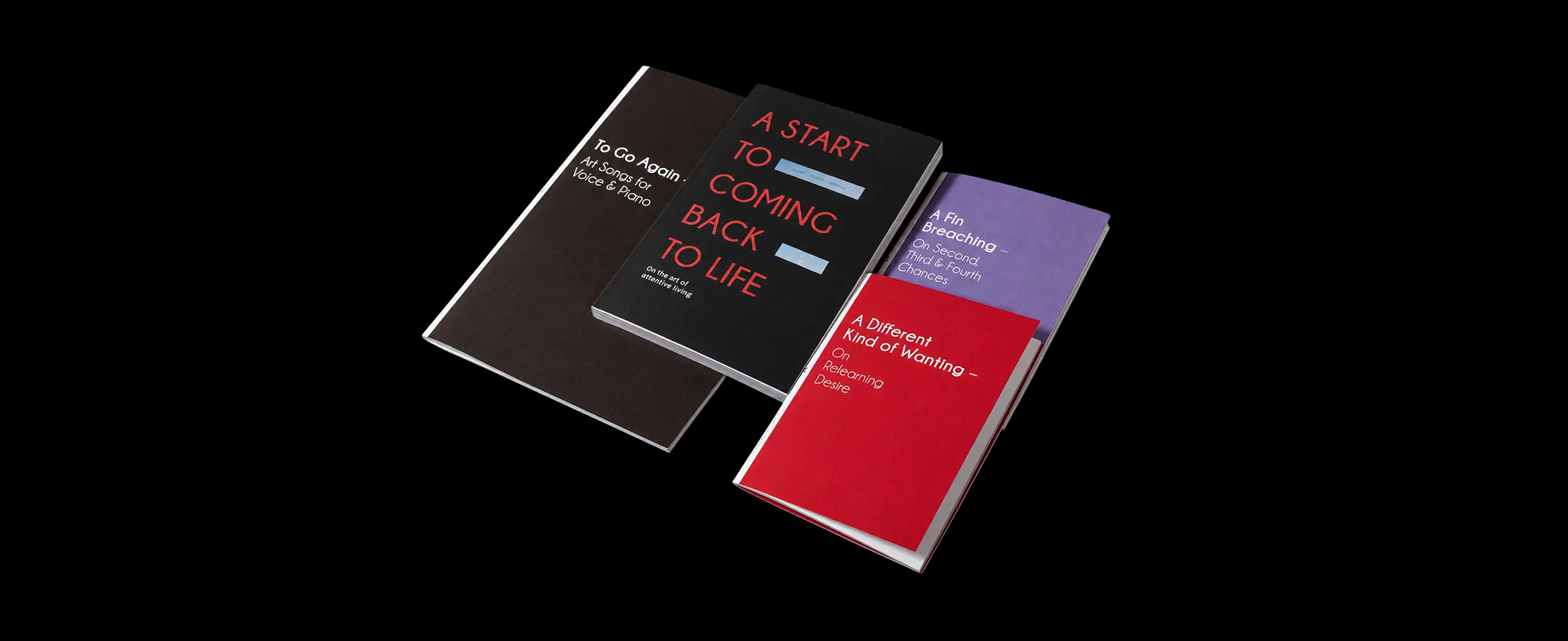
A Start to Coming Back to Life is a hybrid art project combining music, print design, and digital interaction. It includes a musical album, a physical magazine, companion zines, and an interactive website, all developed around a shared set of themes and visual systems.
As the project expanded across mediums, a central design challenge emerged: each format offered different strengths, constraints, and modes of engagement. Rather than duplicating content across platforms, the goal became designing a connected ecosystem where each format contributes something unique, all while maintaining a coherent experience.
Problem
Independent creative work is primarily distributed through digital platforms designed around speed, visibility, and continuous engagement. While these systems are great for sharing, they make it difficult for patient, reflective work to connect.
Some creators respond by moving toward physical formats such as vinyl pressings or art prints. While these products encourage focus and intentionality, they also reduce accessibility and discoverability. The central design challenge became:
How can a project designed for slow processing remain accessible within a fast-paced digital environment?
Design Constraints
Insights
Through the iterative process, a key insight was unconvered: the medium itself does not determine what an experience will be like. Rather, these qualities emerge through the way a medium is designed.
Digital environments often prioritize speed and distraction, but they can also be structured to support attention and reflection. Likewise, physical objects encourage focus not simply because they are physical, but because their pacing, affordances, and limitations shape behaviour.
This reframed the project away from choosing between physical and digital formats and toward a hybrid system in which each medium contributes a distinct form of engagement.
The medium itself does not determine the quality or pace of an experience. Rather, these qualities emerge through the way a medium is designed.
Design Principles
Solution
The final project was designed as an artistic ecosystem composed of:
Rather than functioning as isolated artifacts, each component was designed to guide users deeper into the same experience through different channels.
Music as emotional entry
The album functions as the emotional entry point. Music communicates affect immediately and establishes the emotional tone from which the written and visual components expand.
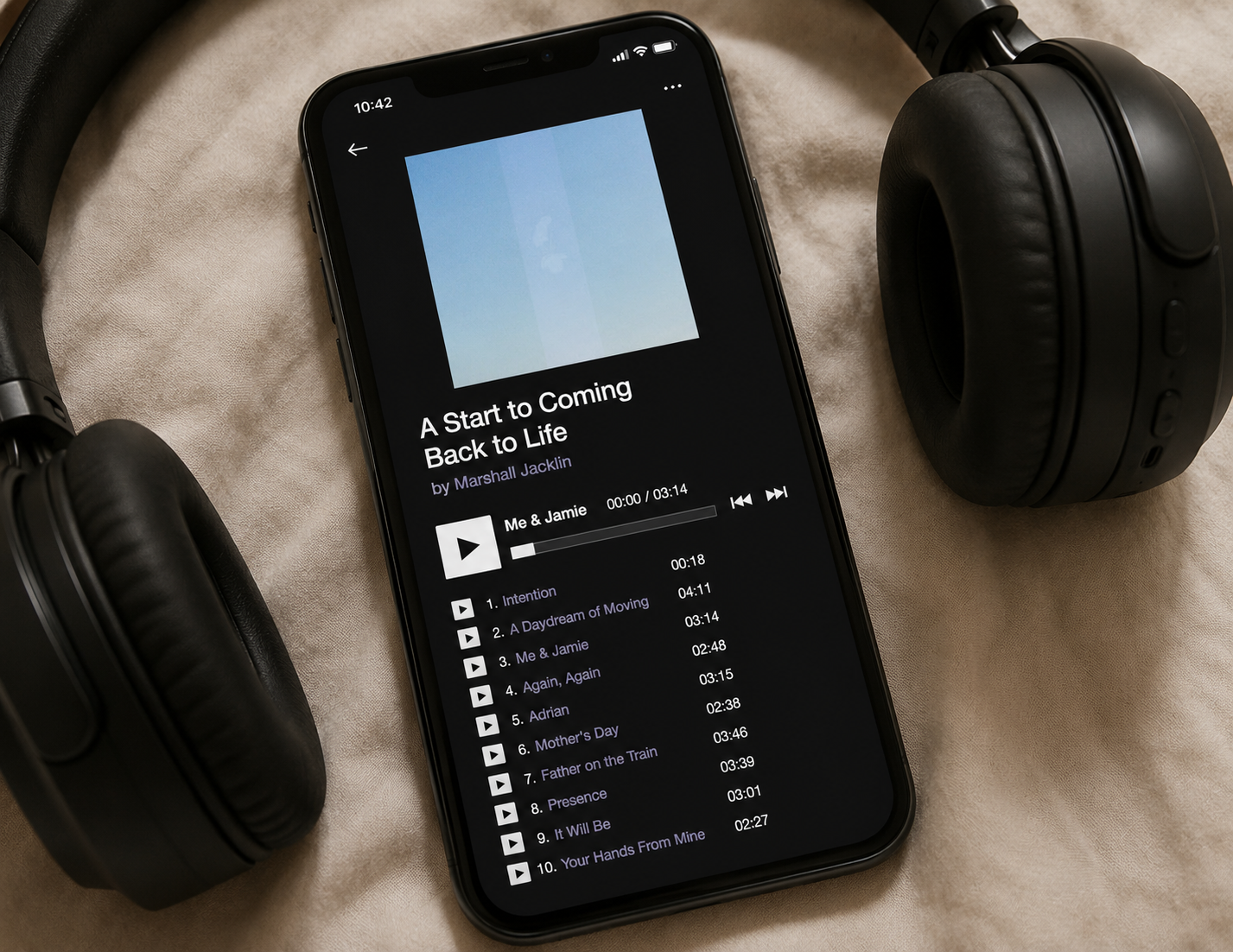
Music establishes the emotional tone.
Print as a reflective space
The printed materials provide space for slower engagement and reflection. Typography, pacing, image placement, and physical interaction were structured to encourage readers to spend time with the material. The companion zines allow for a more accessible entry point.
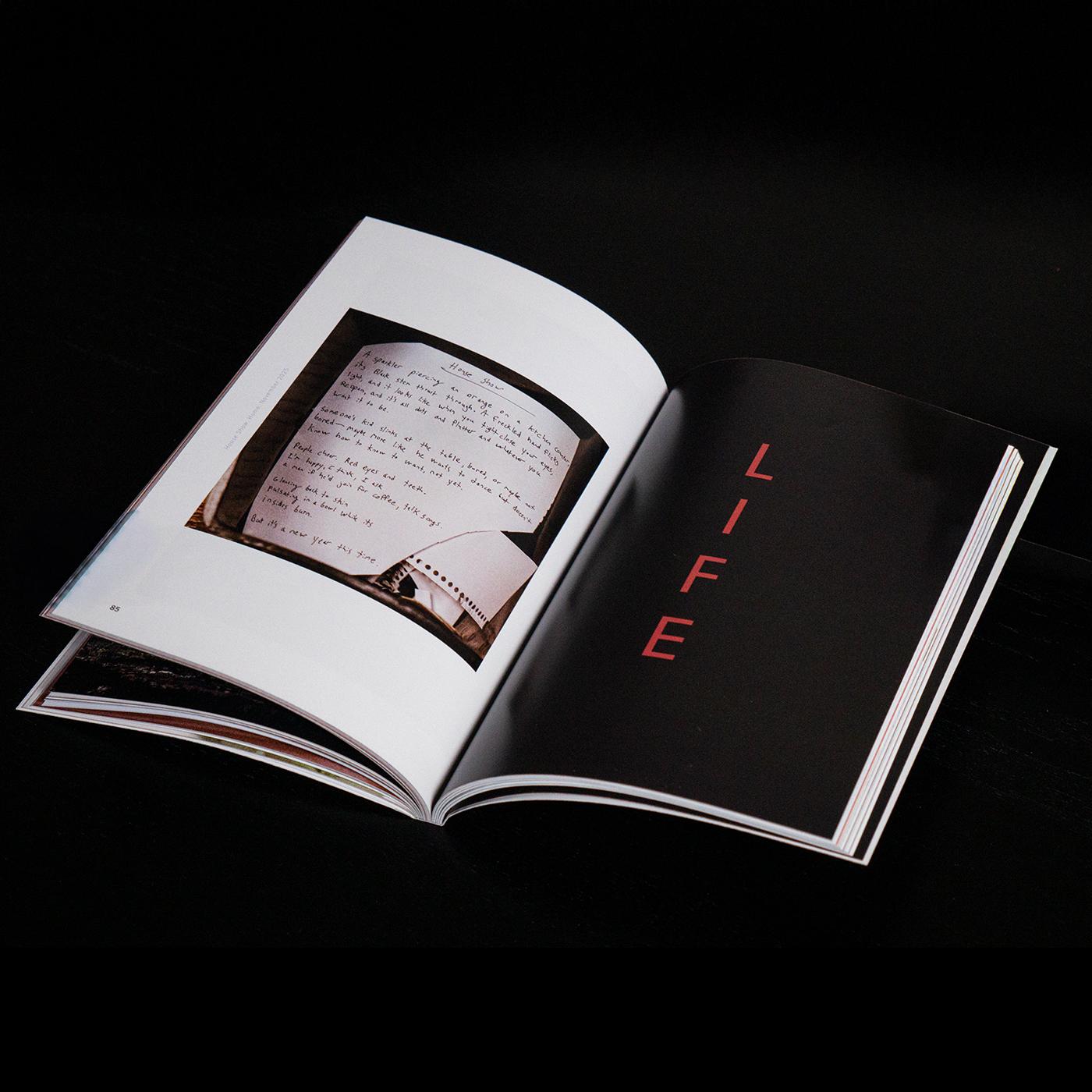
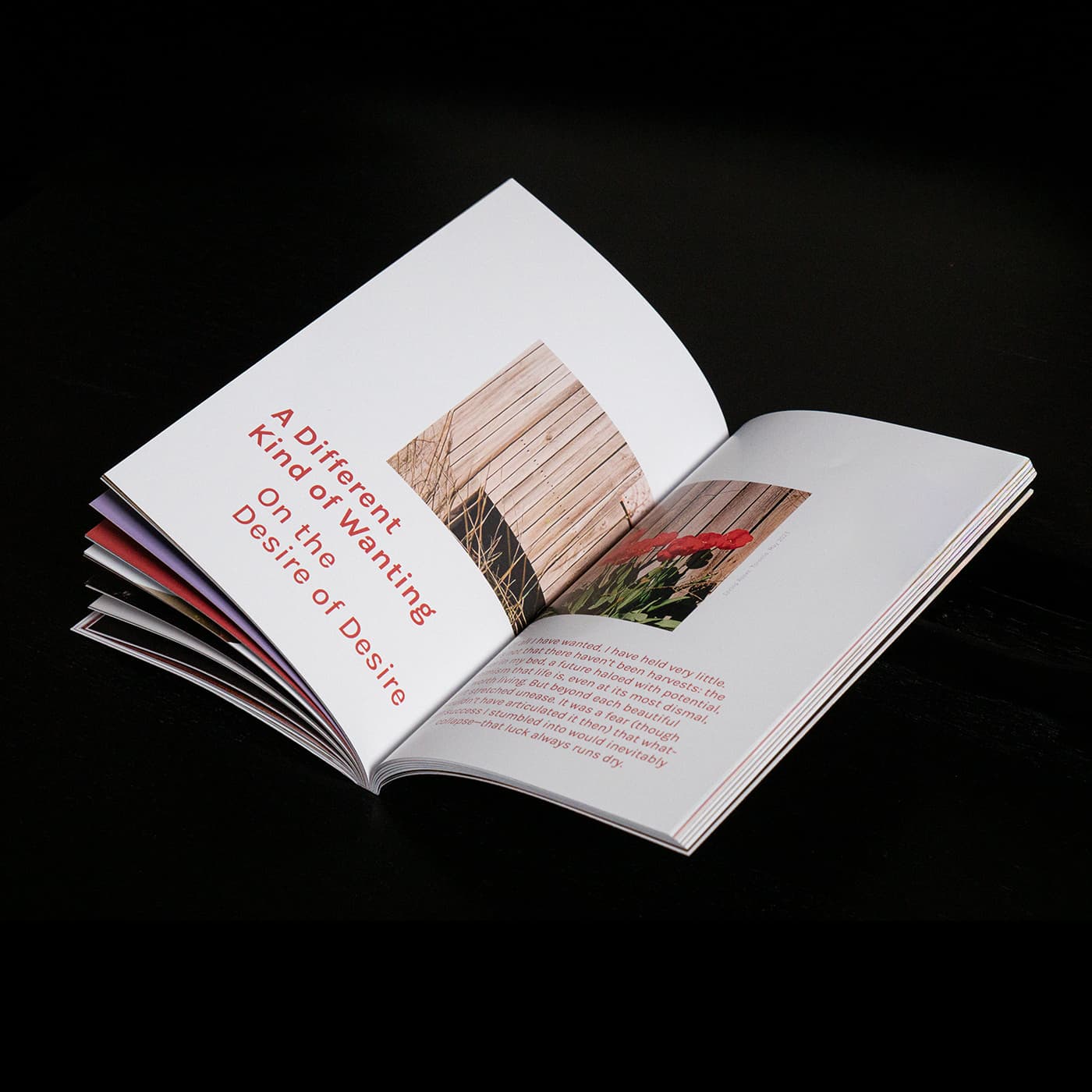
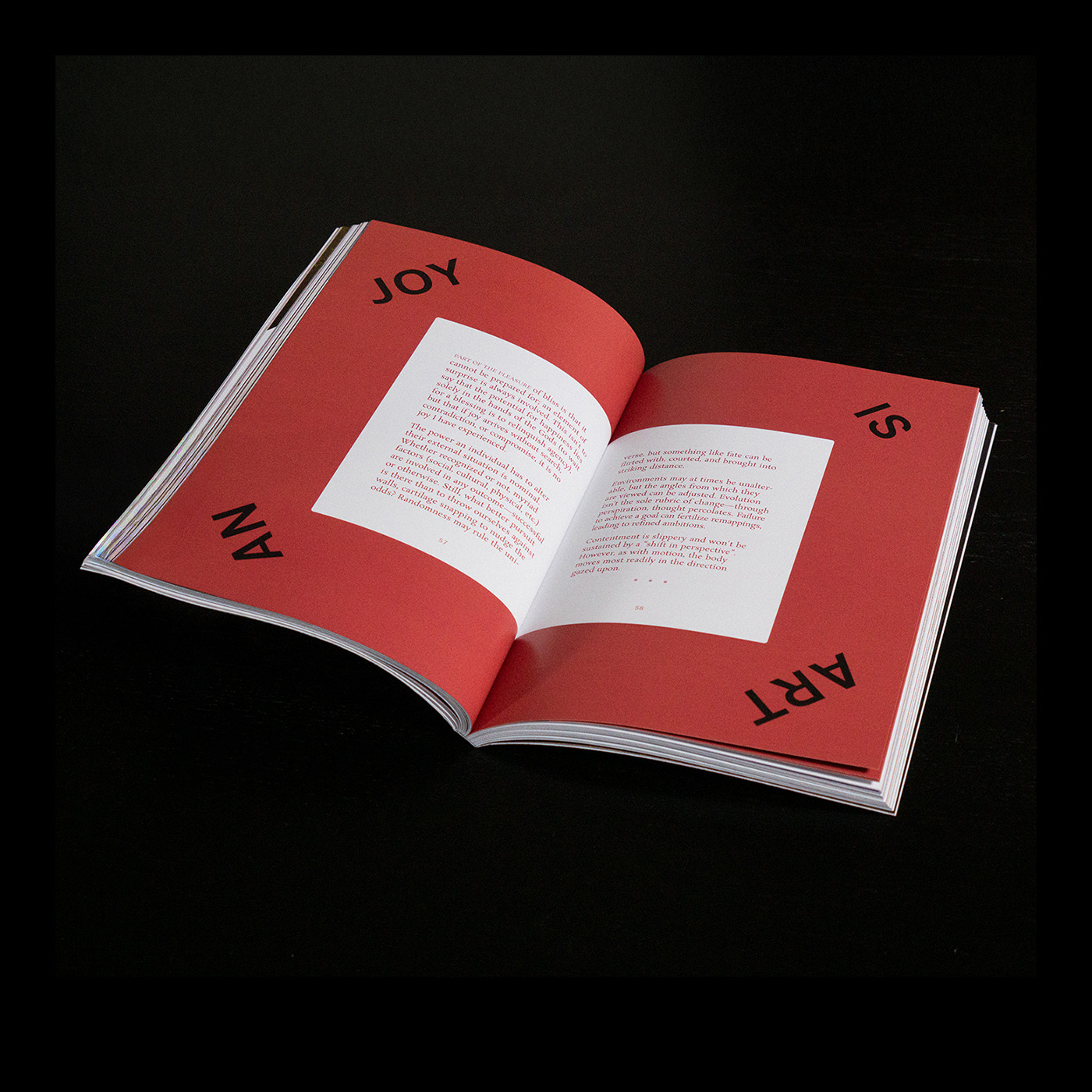
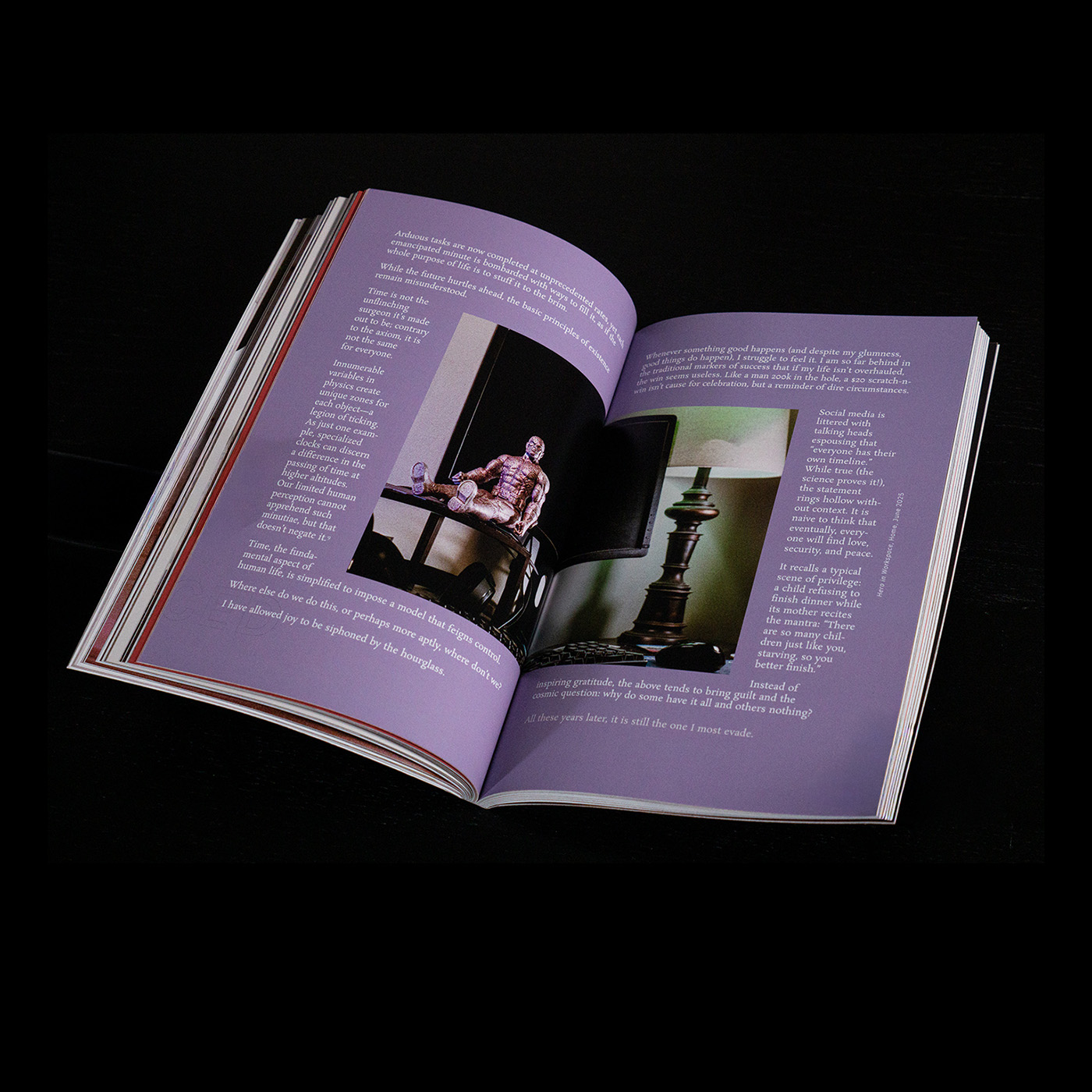
Print slows
Website as connective infrastructure
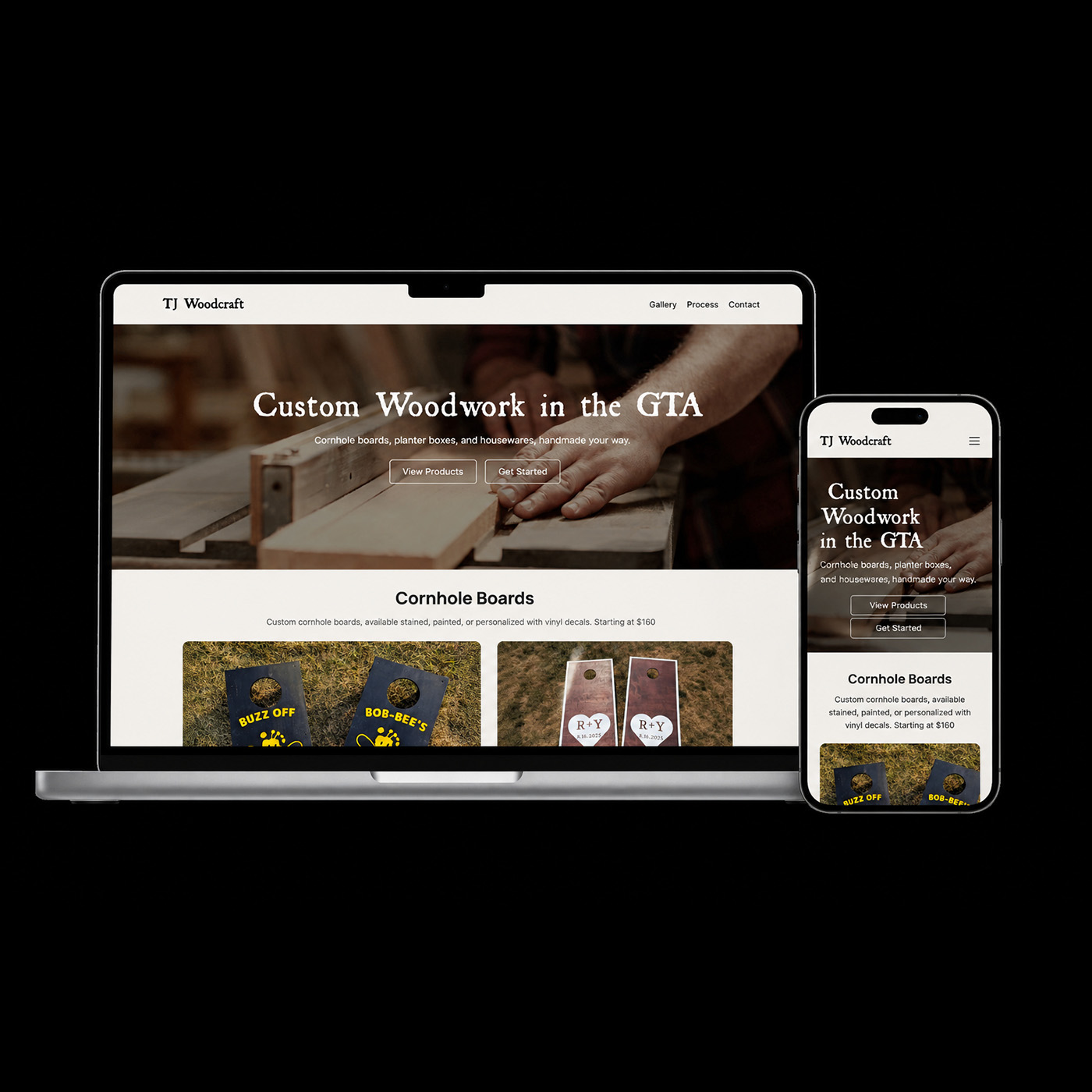
The website functions as the connective layer between physical and digital spaces.
Users can:
The responsive web experience also ensures the project remains discoverable and shareable without sacrificing its slower pacing.
Homepage
Key Decisions
Outcome
Users responded positively to the project’s slower pacing and the ability to move fluidly between physical and digital formats.
The recorded essays reinforced the importance of supporting multiple modes of engagement, while the physical structure of the printed materials demonstrated how subtle affordances can shape reader behaviour and attention.
This project reinforced several broader UX insights:
More broadly, the project explored how thoughtful design can encourage reflection and intentionality without relying on excessive interaction or engagement-driven patterns.